
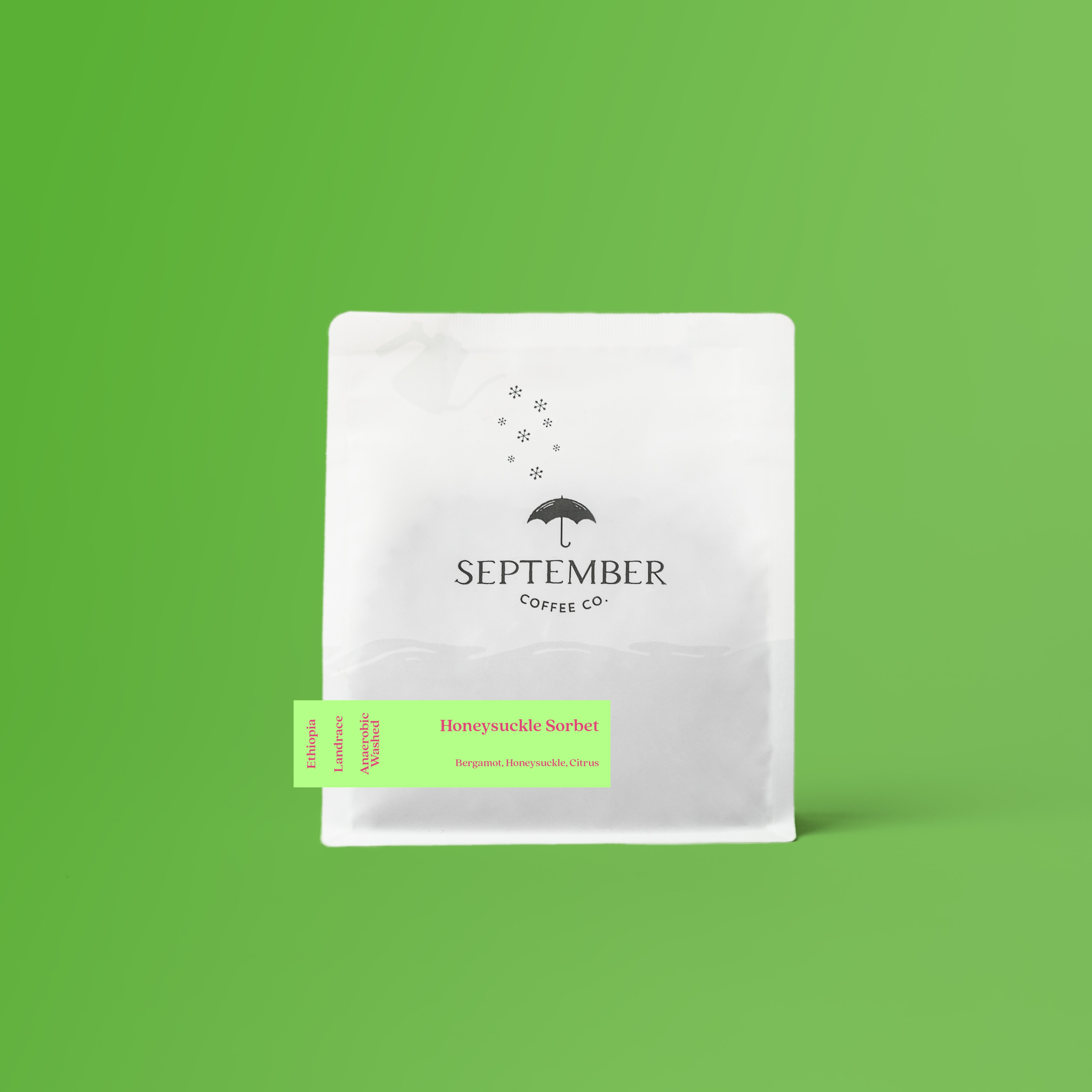
Honeysuckle Sorbet
Honeysuckle Sorbet is from the Arbegona Rumudamo washing station in Ethiopia, and is clean and sparkling. Daye Bensa oversees this washing station and is a well-respected producer and exporter. While we have featured some of Daye’s coffees before, this our first time sharing an anaerobic washed lot from Daye and the community farmers that contributed to Rumudamo.
200g
Honeysuckle Sorbet
September Coffee Roastery
154 Iber Rd
Unit 9
Stittsville ON K2S 1E9
Canada
- Variety: Landrace
- Country: Ethiopia
- Region: Arbegona, Sidama
- Process: Anaerobic Washed
- Altitude: 2200-2300 MASL
- Producer: Daye Bensa and community outgrowers from the Arbegona woreda
- Farm: Various
- Washing Station: Arbegona Rumudamo
- Roast Level: Light
 In the cup
In the cup we taste juicy bergamot, sweet honeysuckle, and sparkling citrus. This coffee has a light body and a clean finish.
 Funky
Funky
 Experimental
 About The Producer
Daye Bensa was established as a producer in 1996 and has persevered through many challenges regarding coffee growing and exporting in the Sidama region. He actively works with various community outgrowers that bring their cherries to one of his central washing station, such as Arbegona. The Arbegona Washing Station is managed by Asefa Dukamo Korma.
 Processing
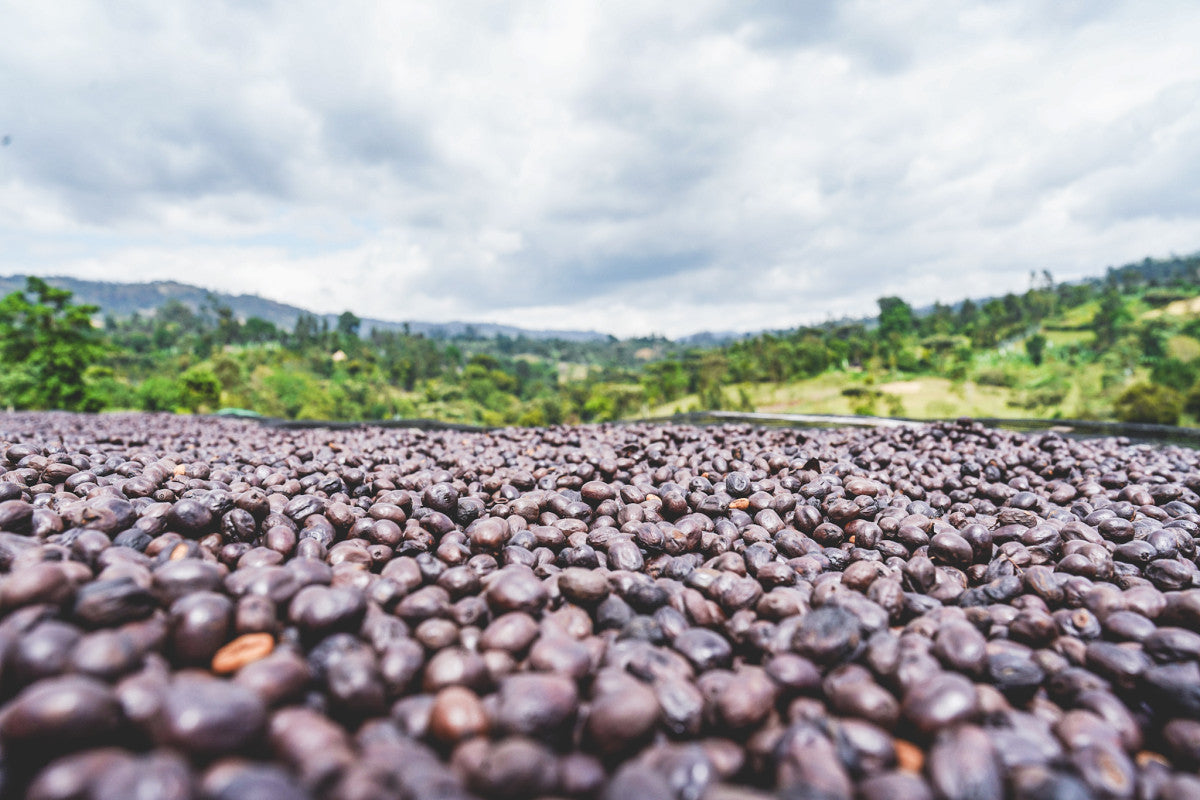
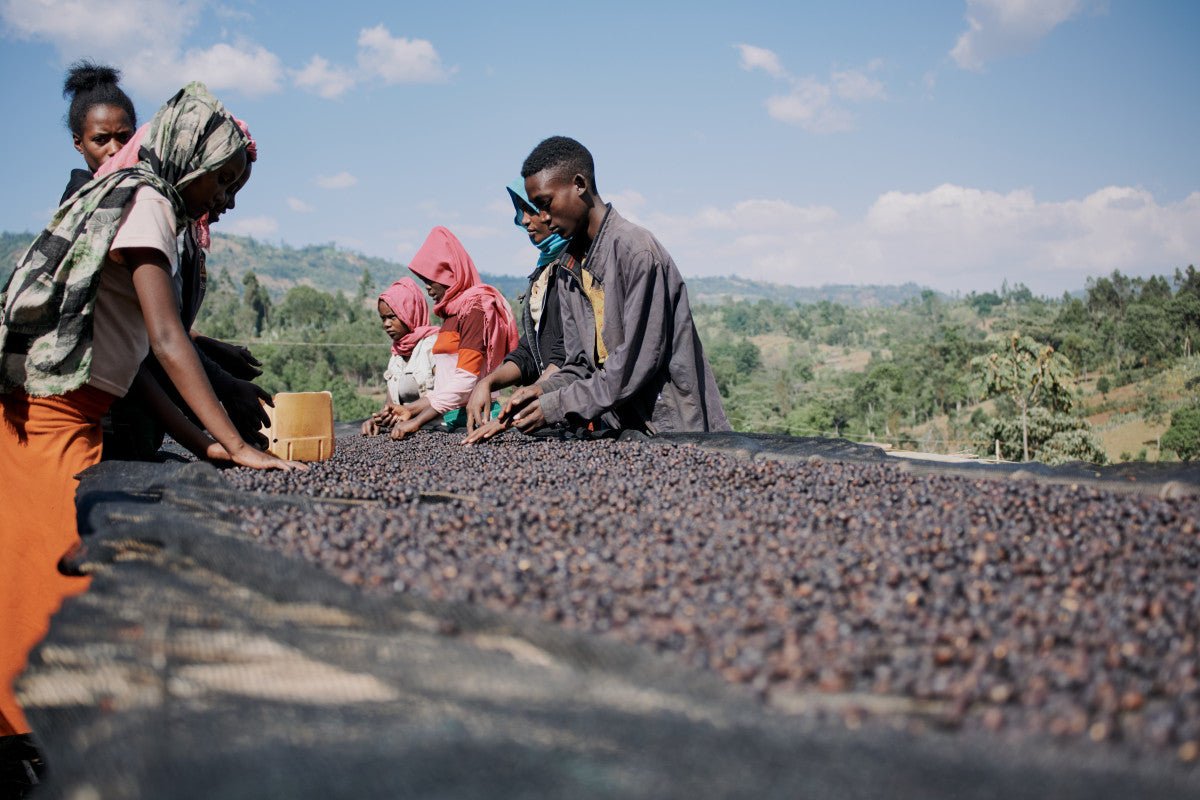
Once the cherries arrive at the Rumudamo Washing Station, they are sorted by being floated in water. Cherries are grouped together based on their density. Only the ripest cherries are selected for anaerobic processing. The chosen cherries are then placed in large sealed barrels to ferment without water for approximately 144 hours. The cherries are then de-pulped and washed before being laid to dry in African beds for 16-20 days, depending on the weather.
 Variety
Landrace is an umbrella term that refers to all the coffee varietals endemic to Ethiopia. As the birthplace of coffee, the trees have been growing and cross-breeding for centuries in this country. As a result, there are numerous sub-varietals with some common genetics, but slightly different behavior and taste. In the last few decades, there has been an organized effort to research and identify different endemic varietals growing in Ethiopia by name, disease resilience, and yield production.
 Transparency
 Imported
 We Paid
 Roasted Costs