
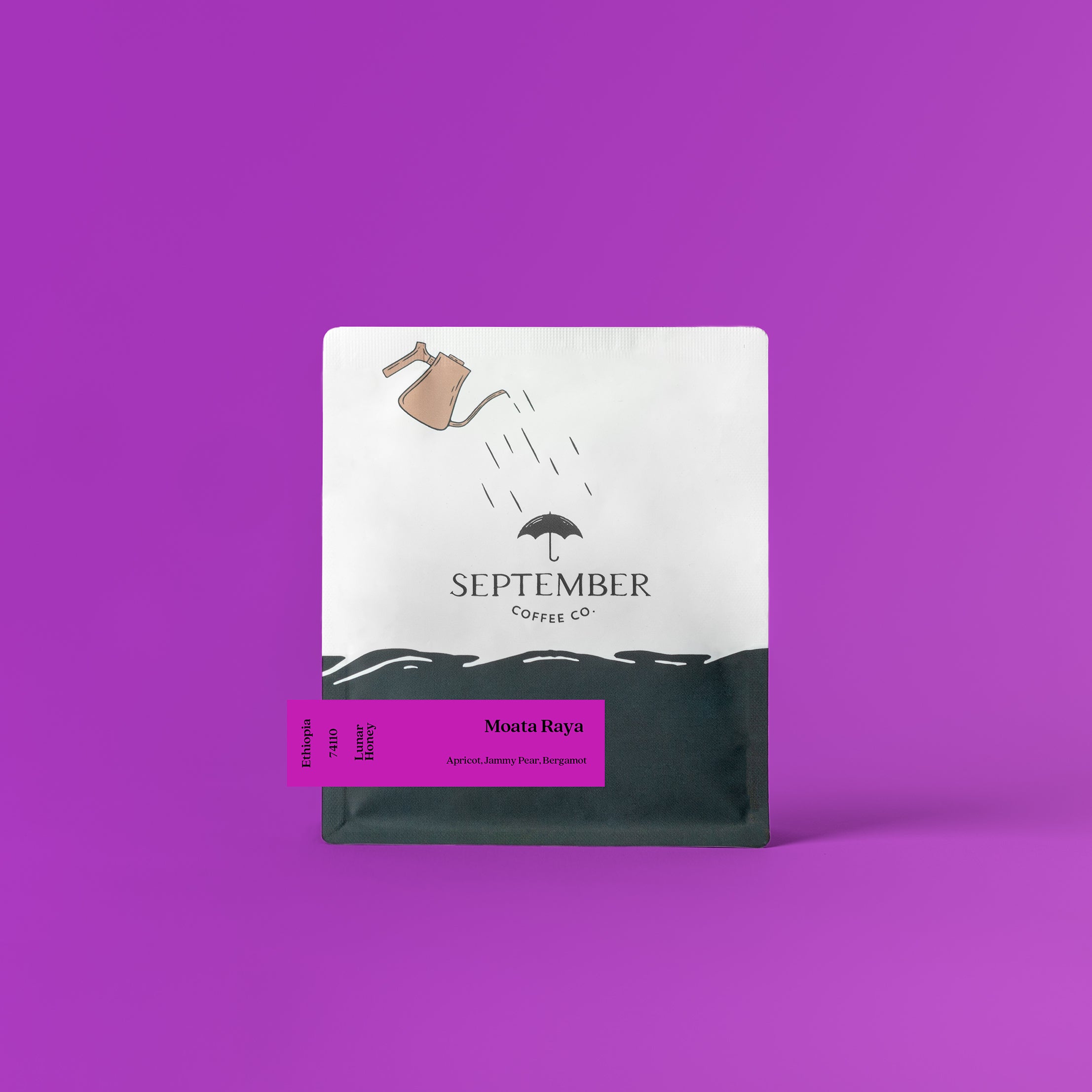
Moata Raya - (Extra-light)
This is our first time featuring a coffee from Moata Raya. This coffee is juicy, expressive, and aromatic, reminding us of bergamot, plums, and citrus. This is an extra-light roast profile of Moata.
250g
Moata Raya - (Extra-light)
September Coffee Roastery
154 Iber Rd
Unit 9
Stittsville ON K2S 1E9
Canada
- Variety: 74110
- Country: Ethiopia
- Region: West Limu
- Process: Lunar Honey
- Altitude: 2000 MASL
- Producer: Moata Raya
- Farm: Family farm in the Awano Village
- Roast Level: Light
 In the cup
We taste juicy yellow plums, bright citrus, jammy pears, and aromatic bergamot. This cup has a silky body with a deep complexity and long sweetness.
 Funky
Funky
 Experimental
 About The Producer
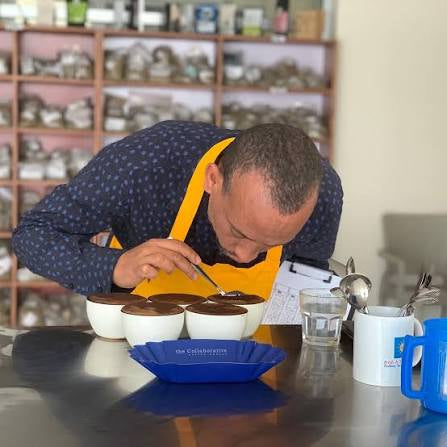
Moata is one of the most distinguished names in Ethiopian specialty coffee. In addition to running the Co Qua quality lab in Addis and his own export company, he is also the relationship and quality manager for Crop to Cup in Ethiopia. His career started as a technician for Technoserve, training farmers and cooperatives around Agaro. He then spent years working directly with growers across the country before those relationships evolved into the work he does today. In parallel, Moata has always had his own ambitions to produce coffee on the caliber that he has helped so many others achieve.
 Processing
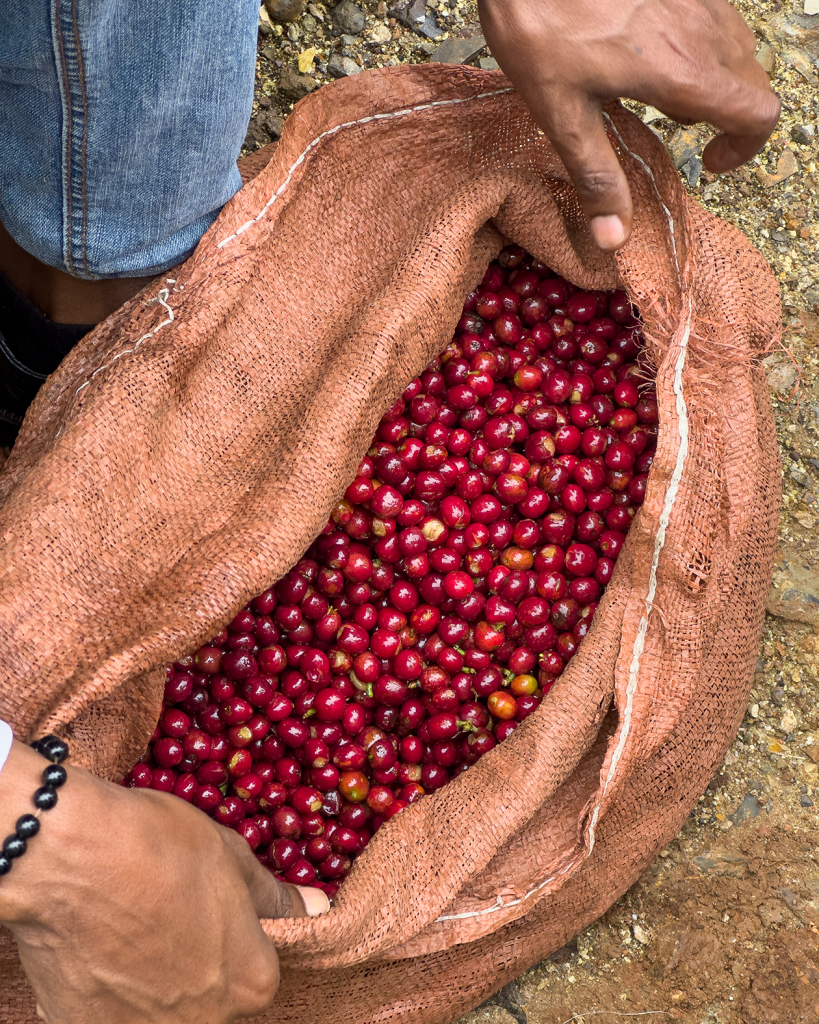
The ‘lunar’ in this honey process refers to the nightly application of utilizing cooler temperatures and low sunlight to control fermentation. Ripe cherry is pulped 8 hours post harvest with only 5% of the mucilage removed through a disc pulped. The removal of some of the mucilage is the honey portion of the processing. The coffee parchment is then moved to beds nightly, where it is spread and turned every two hours for 10-12 days.
 Variety
74110 is a locally selected subvariety of Ethiopian Heirloom, developed in the 70s at the Jimma Agricultural Research Center (JARC) for resistance to the coffee berry disease. The prefix ‘74’ indicates that the selection and cataloguing occurred in 1974. The subvariety 74110 was selected from an original “mother tree” in the Bishari village in the Oromia region. The trees are short and compact, with small leaves and cherries.
 Transparency
 Imported
 We Paid
 Roasted Costs