
Muchagara AB (Extra-light)
This is our second time featuring a coffee from the Muchagara Factory in the Kirinyaga region of Kenya. This coffee has a deep sweetness and tart acidity, the Kenya profile we love most. If you enjoy a classic, tart and currant profile that Kenyan field blends can offer, Muchagara AB is recommended. This is an extra-light roast variant of Muchagara. We recommended the EL profile to those who prefer Ultra-light roast profiles and are willing to extend rest times to benefit the cup.
250g
Muchagara AB (Extra-light)
September Coffee Roastery
154 Iber Rd
Unit 9
Stittsville ON K2S 1E9
Canada
- Variety: SL-28, SL-34, Batian, Ruiru
- Country: Kenya
- Region: Kirinyaga
- Process: Washed
- Altitude: 1700-1800 MASL
- Producer: Baragwi Farmers’ Cooperative Society
- Farm: Various
- Roast Level: Extra-Light
 In the cup
We taste juicy and tart black currants, the acidity of grapefruit, and the sweetness of figs. This coffee has a silky body and a sparkling finish.
 Funky
Experimental
 About The Producer
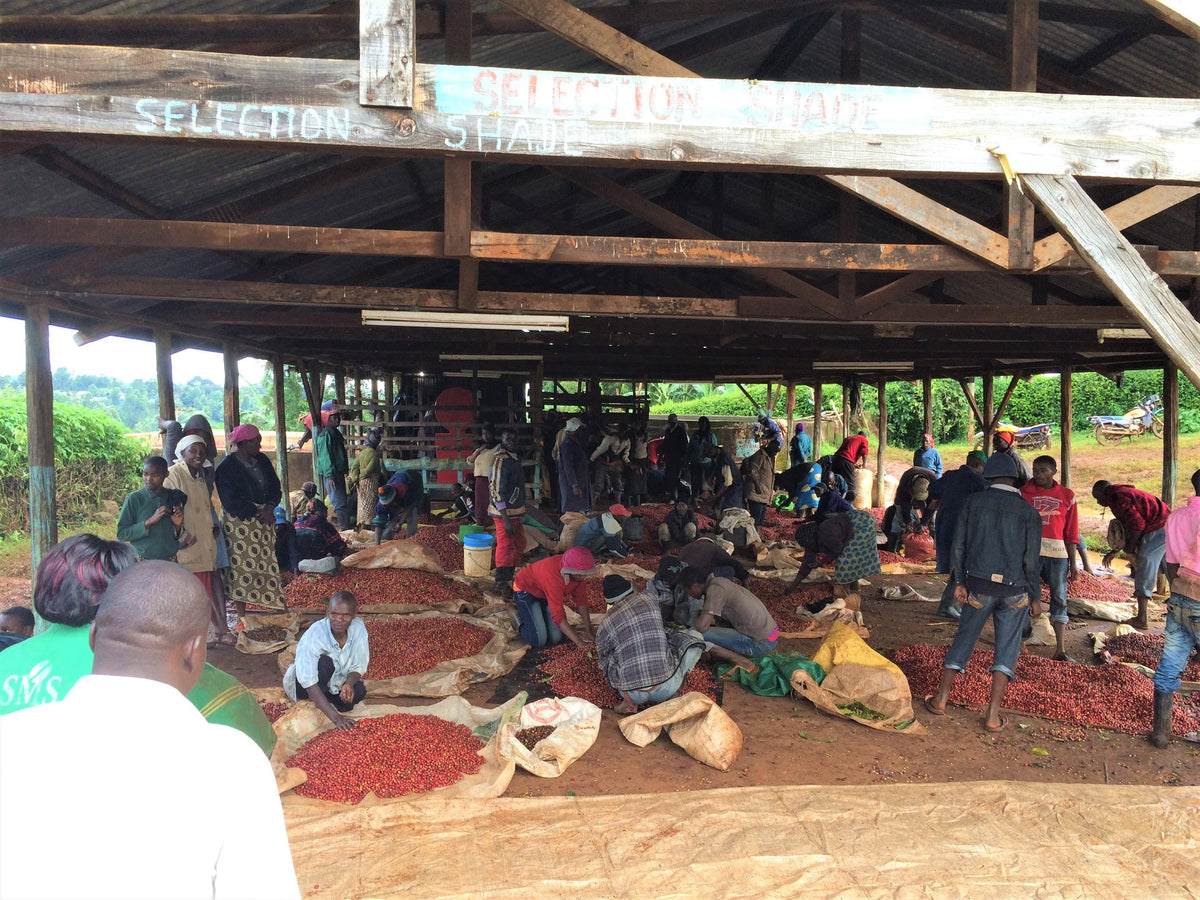
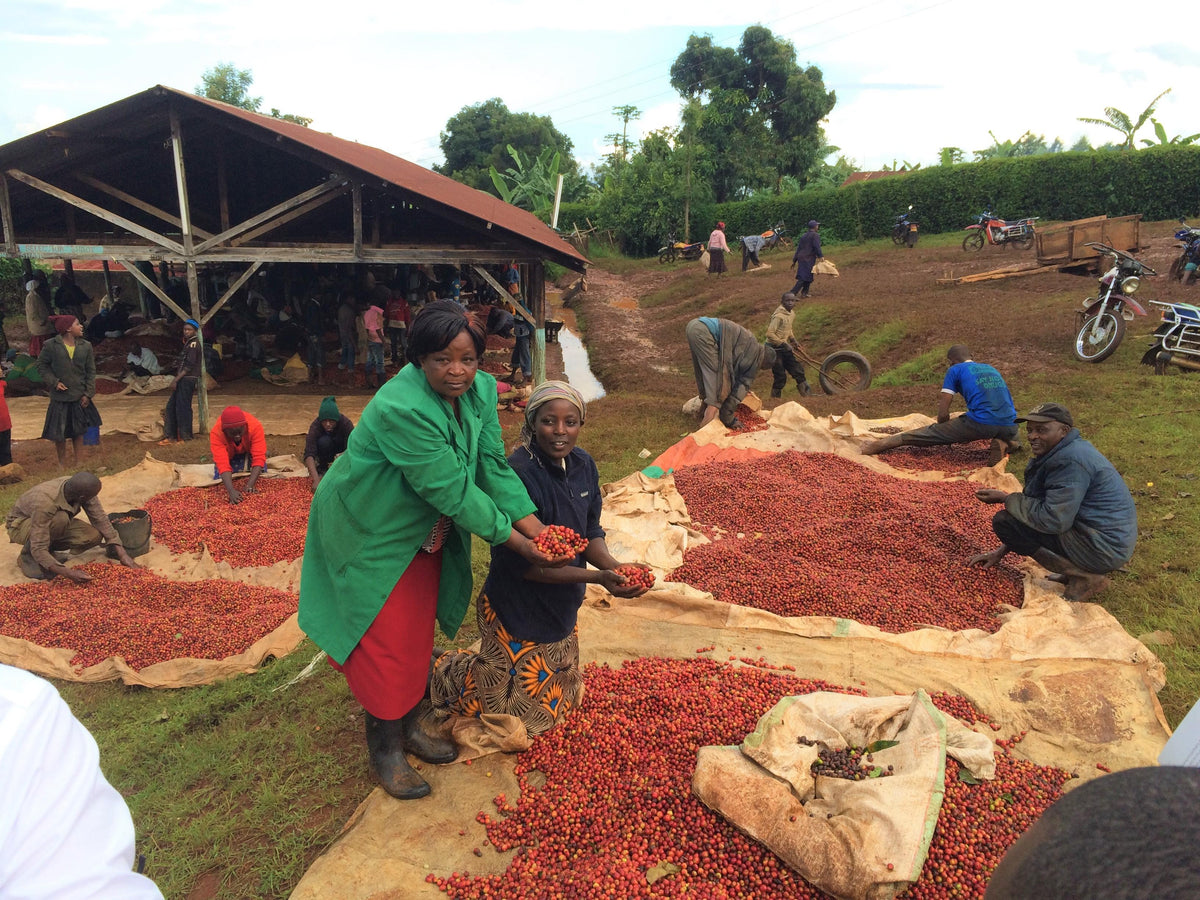
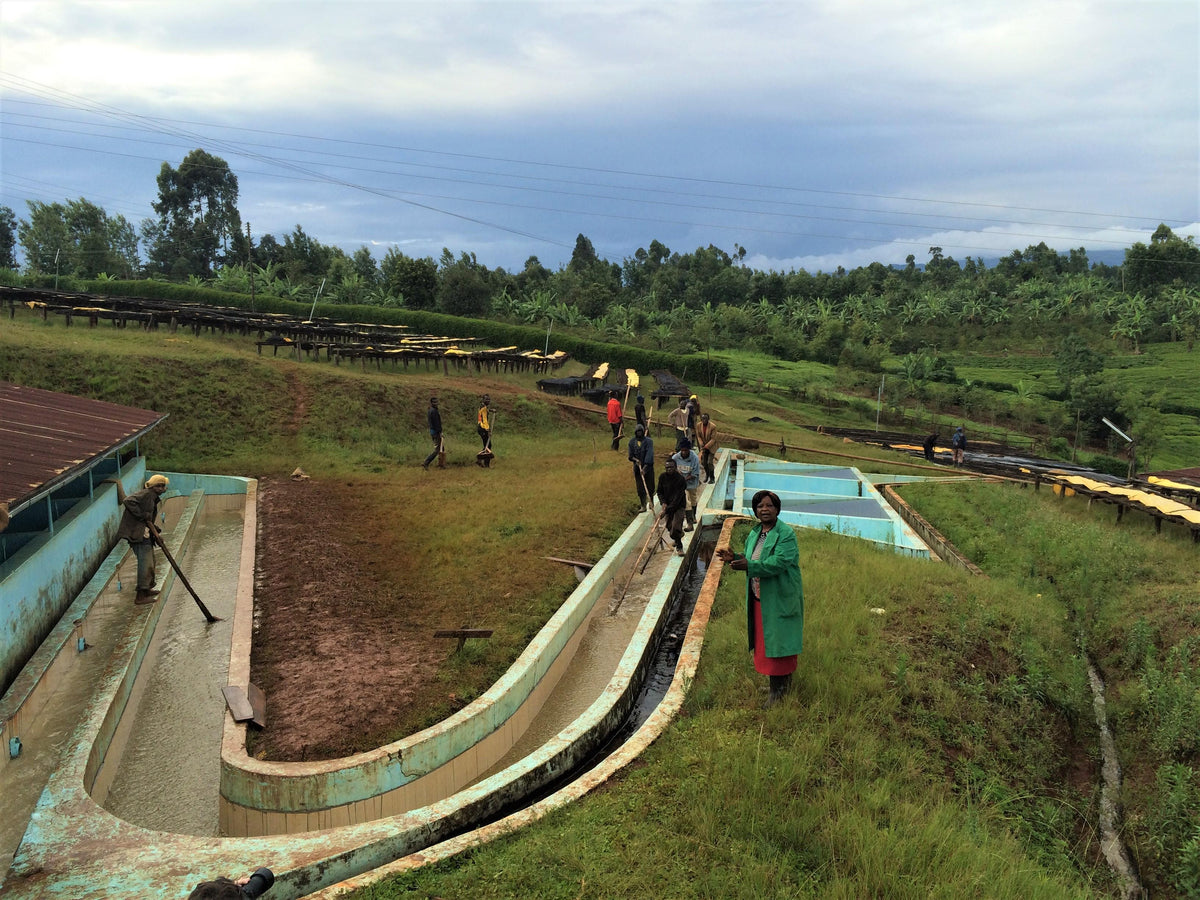
The Muchagara Factory is named after a village in the western side of Kirinyaga District near Mt. Kenya and has been operational since 1959, making it the oldest wet processing centre in Kirinyaga. Situated in a highly fertile area, the factory covers a substantial space near the local village. With more than 1500 members, 200 drying tables, several tiled fermentation tanks, and grading channels, it continues to produce remarkably expressive, high-quality coffees even though its infrastructure is not always in the best shape.
 Processing
The coffees are traditionally processed with dry fermentation, before being washed and graded in channels. These coffees are fully washed with fresh river water, and then sun-dried on raised beds. The farmers mainly grow SL28 and SL34, but as with almost all Kenyan cooperative coffees, there can be a mix of everything. Other common cultivars are K7, Ruiru 11, and Batian.
 Variety
SL-28 is among the most well-known and well-regarded varieties of Africa. It has consequently spread from Kenya, where it was originally selected in the 1930s, to other parts of Africa (it is important in Arabica-growing regions of Uganda, in particular) and now to Latin America. The variety is suited for medium to high altitudes and shows resistance to drought, but is susceptible to the major diseases of coffee. SL-28 is notable for its rusticity—a quality meaning that it can be left untended for years or even decades at a time, and then return to successful production. There are SL-28 trees in many parts of Kenya that are 60-80 years old and still productive. A variety resistant to coffee leaf rust and coffee berry disease created at the Coffee Research Station (CRS; now the Coffee Research Institute, CRI) in Ruiru, Kenya. Batian was released in Kenya in 2010.
 Transparency
 Imported
 We Paid
 Roasted Costs