
Ninga Hill - Burundi Washed Bourbon
This washed Bourbon comes from producers in the Muramvya region of Burundi. Ninga Hill is the name of the third washing station owned and operated by Long Miles Coffee Project. This coffee has a delicate lemon acidity with a deep brown sugar sweetness.
250G
Ninga Hill - Burundi Washed Bourbon
September Coffee Roastery
154 Iber Rd
Unit 9
Stittsville ON K2S 1E9
Canada
- Variety: Bourbon
- Country: Burundi
- Region: Ninga Hill, Muramvya
- Process: Washed
- Altitude: 1800-2000 MASL
- Producer: The Long Miles Coffee Project & Ninga Hill producers
- Farm: Various
- Roast Level: Light
 In the cup
In the cup we taste a delicate citric acidity reminiscent of lemon tea with a sweetness that reminds us of raw sugar and dates. This coffee has a light body and a sweet finish.
 Funky
Funky
 Experimental
 About The Producer
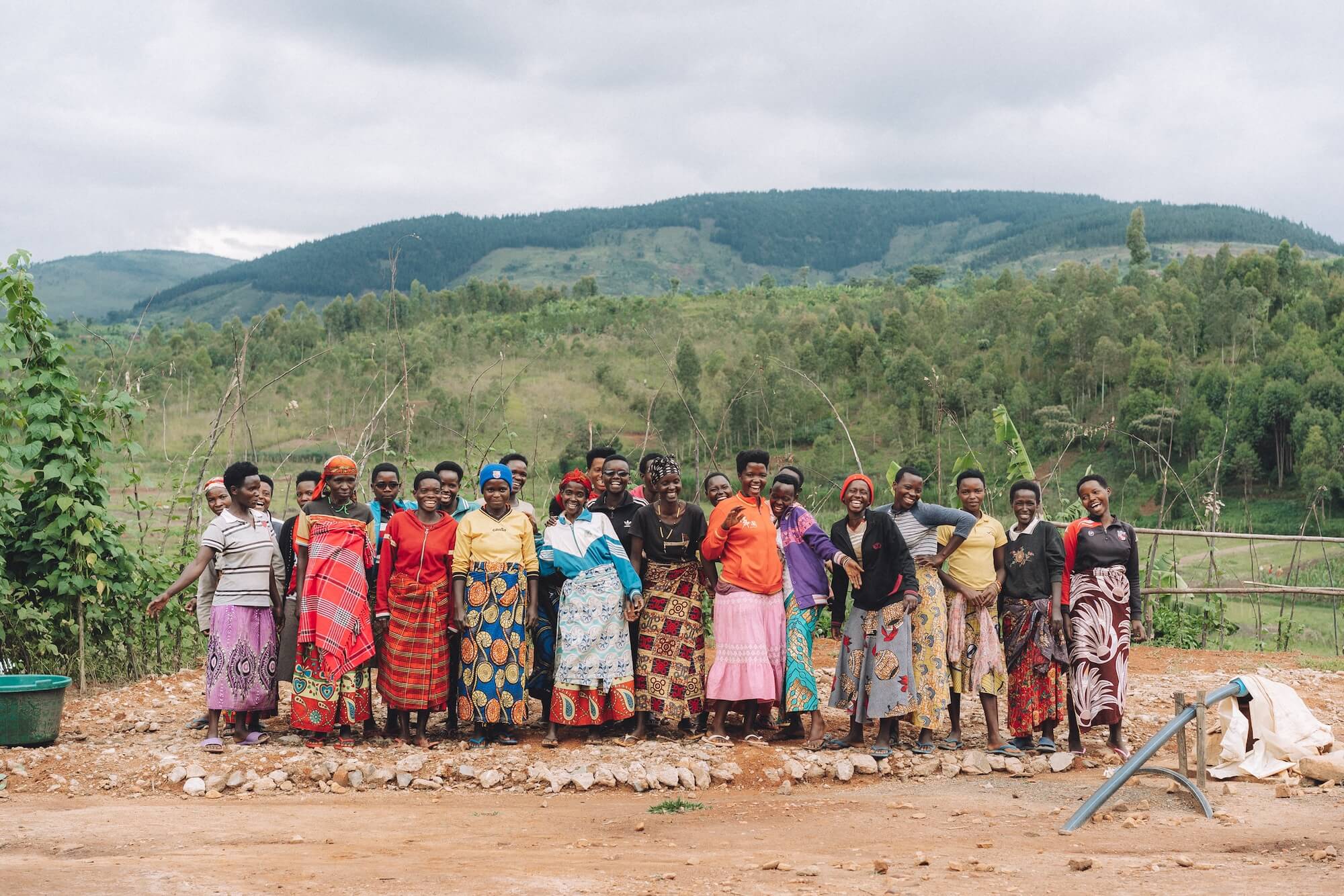
The Long Miles Coffee Project was founded by Ben and Kristy Carlson in 2011. They had just moved to Burundi and saw that both injustice and poor farming practices permeated the country’s newly privatized coffee industry. Ben and Kristy also noticed that roasters around the world struggled to get consistent high-quality coffees from Burundi. In an effort to see positive change in both the farmers’ and the roasters’ lives, they created Long Miles Coffee. This particular lot is the result of many coffee producers’ Bourbon harvests in the Ninga Hill region.
 Processing
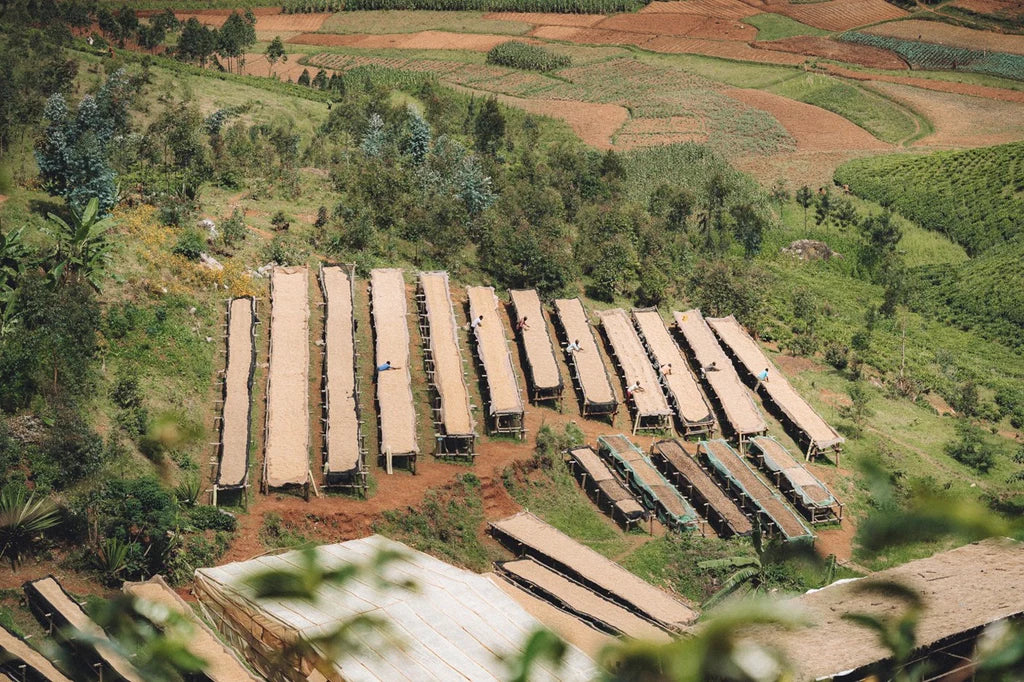
Ninga Hill is one of the most remote parts of Burundi that Long Miles Coffee Project has established a washing station in. Ripe Bourbon cherries are hand-picked and floated to remove any defects. They are de-pulped on the day of harvest before undergoing a single dry fermentation for 12 hours. The lot is then rinsed in fresh water, density graded, and dried on traditional African raised beds for approximately 16 to 20 days.
 Variety
Bourbon is a tall coffee plant variety with many subtypes. It is susceptible to most diseases and presents a great cup quality. French missionaries first introduced Bourbon from Yemen to Bourbon Island in the early 1700s, where it then traveled to Africa and Brazil in the 1800s. Today, Bourbon itself has been largely replaced by varieties that descend from it, most notably Caturra, Catuai, and Mundo Novo (World Coffee Research).
 Transparency
 We Paid
 Roasted Costs