
Amparo Botina - Colombia Washed Caturra (2026)
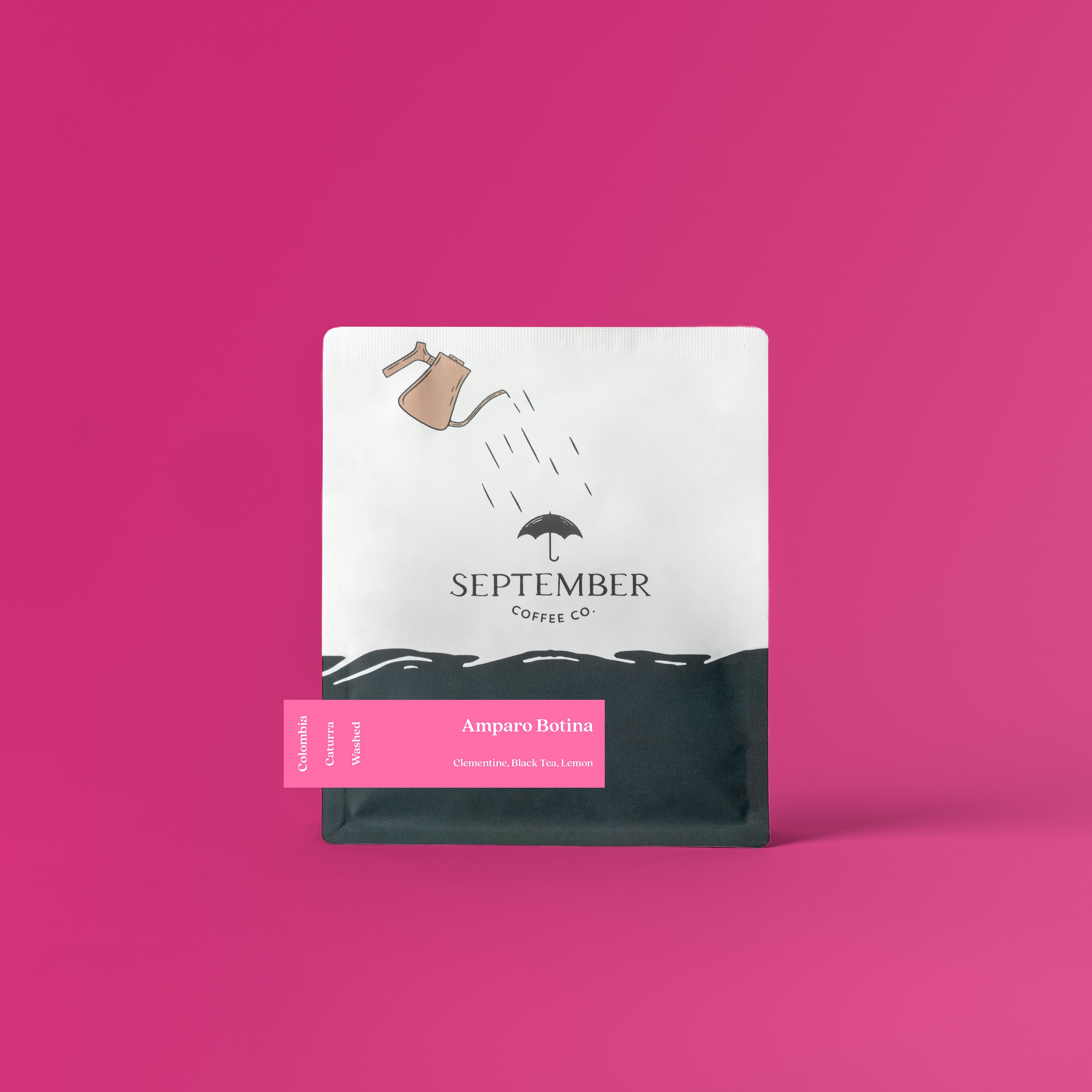
This is our third time working with Amparo Botina and her stellar crops from Colombia. This coffee is yet another example of how great Caturra is. This coffee is clean with sweet stone fruits and black tea florals, presenting with balanced acidity for a great daily cup.
250G
Amparo Botina - Colombia Washed Caturra (2026)
September Coffee Roastery
154 Iber Rd
Unit 9
Stittsville ON K2S 1E9
Canada
- Variety: Caturra
- Country: Colombia
- Region: Pasto, Narino
- Process: Washed
- Altitude: 1900-1950 MASL
- Harvest: Late 2025
- Producer: Amparo Botina
- Farm: El Encinal
- Roast Level: Light
 In the cup
In the cup we taste sweet clementines, delicate black tea, and fresh lemon. This coffee has a light body and a long citric finish.
 Funky
Funky
 Experimental
 About The Producer
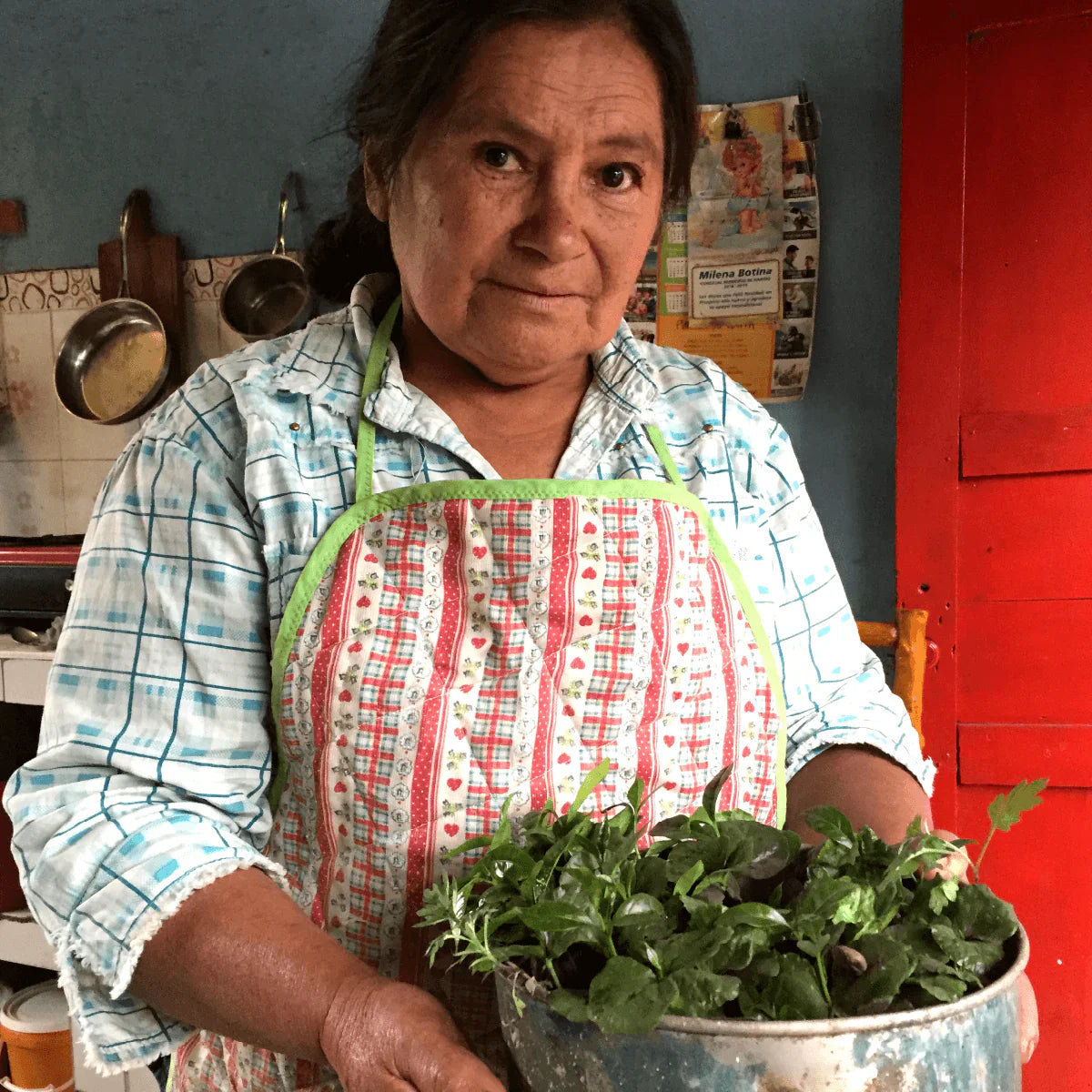
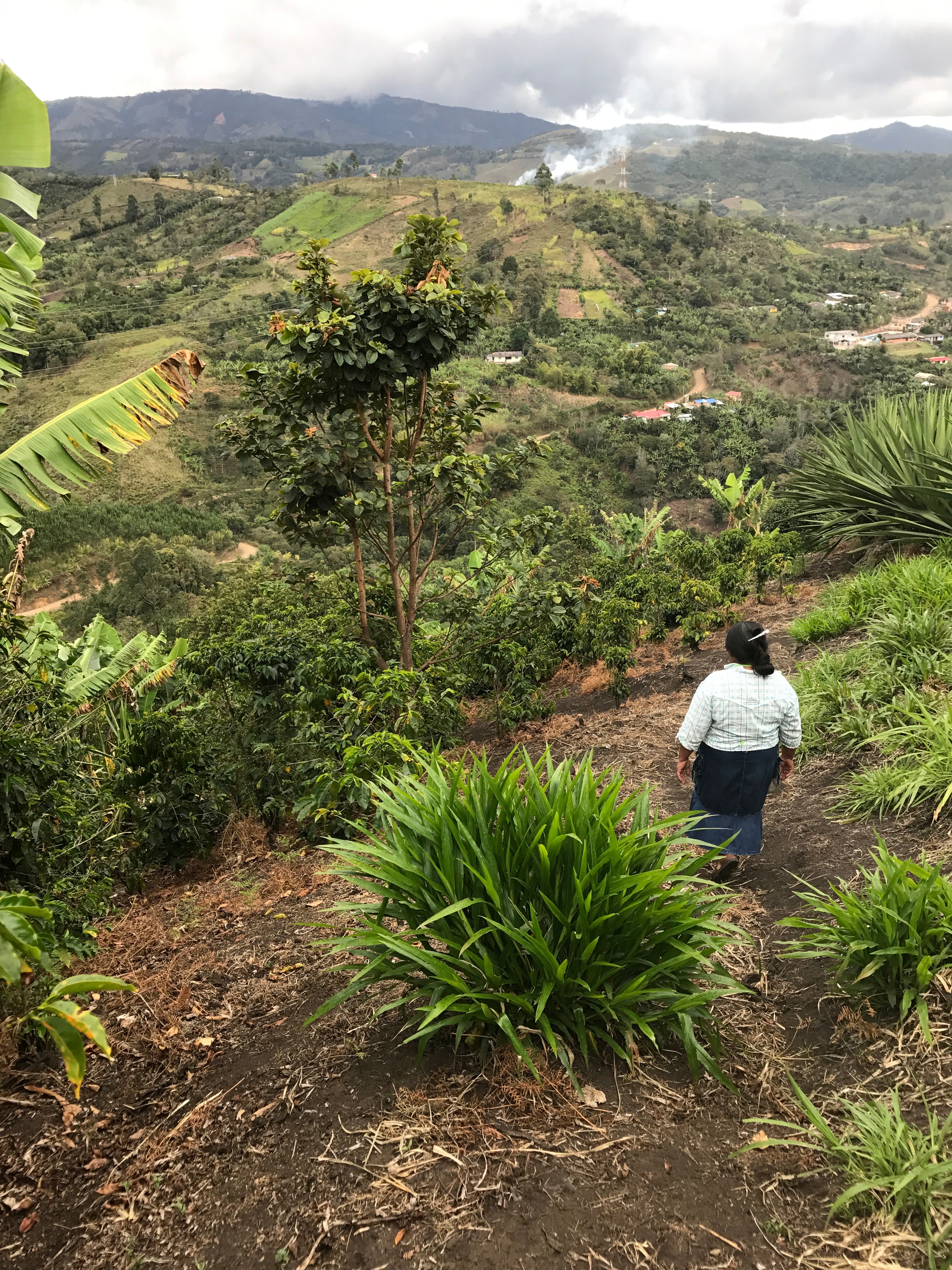
Amparo Moncayo Botina tends to all her coffee trees with equal and dedicated devotion. She’s a farmer, wife, mother, and grandmother, carrying forward a family legacy rooted deeply in the land. Together with her husband, Edmundo Botina, she cultivates coffee on their farms, El Encinal and Los Arrayanes. The farms’ hillsides are planted with Caturra, shaded and accompanied by rows of fique grown alongside the coffees. The unique microclimate contributes to the exceptional quality found in her lots.
 Processing
Amparo carefully selects cherries at peak ripeness by hand, ensuring the chosen lots have balanced sugars and clean potential in the cup. Once the cherries are harvested, they are de-pulped, gently washed, and then placed in tanks for a controlled fermentation that lasts between 18 and 24 hours. The fermentation allows the coffee to develop structure and clarity while preserving its intrinsic character. After fermentation, the beans are transferred to raised drying beds for approximately 15 days.
 Variety
Caturra is a natural mutation of the Bourbon variety. It was discovered on a plantation in the state of Minas Gerais in Brazil sometime between 1915 and 1918. For decades, it was one of the most economically important coffees in Central America, often used as a “benchmark” against which new cultivars are tested.
 Transparency
 Imported
 We Paid
 Roasted Costs